#3 Наследство денег размывает отбор и ослабляет общество

#2 Как тебе такой Милон Х в своей одинокой постели?

Массаракш. Резиденция Речки Бо.
Гостевая резиденция «4М» Великого брахмана Речки Бо гудела так, что даже Зелёный Дракон, привыкший к шуму и скандалам, перестал пускать дымные кольца в потолок и вышел на балкон, прихватив с собой бокал амриты. Повод праздновать был: после долгих лет чародействования и дюжины спаленных священных кристаллов Речке наконец-то удалось установить тахионную связь с параллельно-перпендикулярной ARG-реальностью.

Связь пока была не очень, в основном односторонняя: он видел и слышал всё, что видел и слышал его визави в той, другой реальности, а тот в ответ лишь получал какие-то неясные сны. Но лиха беда начало. Кроме того, брахману удалось прихватить с той планеты несколько душ, которые сейчас тоже были здесь и рассказывали ему и присутствующим гостям разные правдивые и не очень истории.

Особое значение происходящему придавало то, что послушать байки планеты с Геи, так назывался этот дивный новый мир, прибыли сама Госпожа Победа и Госпожа Удача, которые никак не были частыми гостями в «4М». Для главного жреца Массаракша визит двух таких Дам был великой честью, от которой кому другому следовало бы упасть ниц.

«Речка Бо, Вы не беспокойтесь. Мы просто посидим, послушаем. Всегда интересно услышать иную точку зрения на происходящее в нашей Вселенной». И это была правда: в этой Вселенной Удачу и Победу уважали все сущности и сущности вне зависимости от своего пространственно-временного континуума. Начиная от Войдов и заканчивая ароматными Кварками, включая даже Шкварки. Победа пила сому, Удача угощалась амброзией.

— Заседание открыто, — объявил Робеспьер, постучав вилкой по рюмке с сомой. — Самозванцев нам не надо, поэтому тамадой буду я. На повестке дня один вопрос: чем наша матушка Гея отличается от местного, прости господи, Массаракша.

— У нас люди с утра волнуются, какая у них бумажка с цифрой будет сегодня в руке. Цифра растёт — человек счастлив, падает — прыгает в окно, — начал Драйзер. — Главная стихия людей на Гее — это деньги. Это сила, которая рвёт даже самых сильных, превращая их в слабых.

— Не стихия, — возразил Джек Лондон. — Я видел подвалы. Там работают по двенадцать часов за право не умереть. Деньги — цепь. У одних они на шее, другим сковывают руки.

— А я считаю, — сказал Робеспьер, — что деньги заменяют людям добродетель. Раньше человек хотел быть честным, теперь хочет быть платёжеспособным.

— Я помню девочку, отец которой десять лет работал по ночам, чтобы положить на её счёт эти самые деньги. Так что, по мне, деньги — это никакая не цепь и не стихия. Это любовь, которую завернули в цифры, — тихо выдал Гюго.

— Это что! — воскликнул дух по имени Дюма. — У меня был знакомый, который двадцать лет сидел в тюрьме, чтобы потом выйти и рассчитаться с каждым, кто его предал. И он это сделал только благодаря деньгам. Деньги — это месть, которая умеет ждать.

— Деньги — это жилы войны, — произнёс Наполеон, вальяжно закинув ногу на ногу. — Это я написал кодекс, по которому наследство делится между детьми поровну. Всем всё поровну — это справедливость в чистом виде.

— Сир, — заметил Дюма, — а маршалам вы титулы тоже раздавали поровну?

— Маршалам — по заслугам.

— Наследственные, — добавил Робеспьер.

Наполеон сделал вид, что не расслышал, и потянулся за фазаном.

— У нас не так, — вмешался в разговор Дракон. — У нас с этим проще. Умер дракон — золото достаётся тому, кто вместо него стал Драконом.
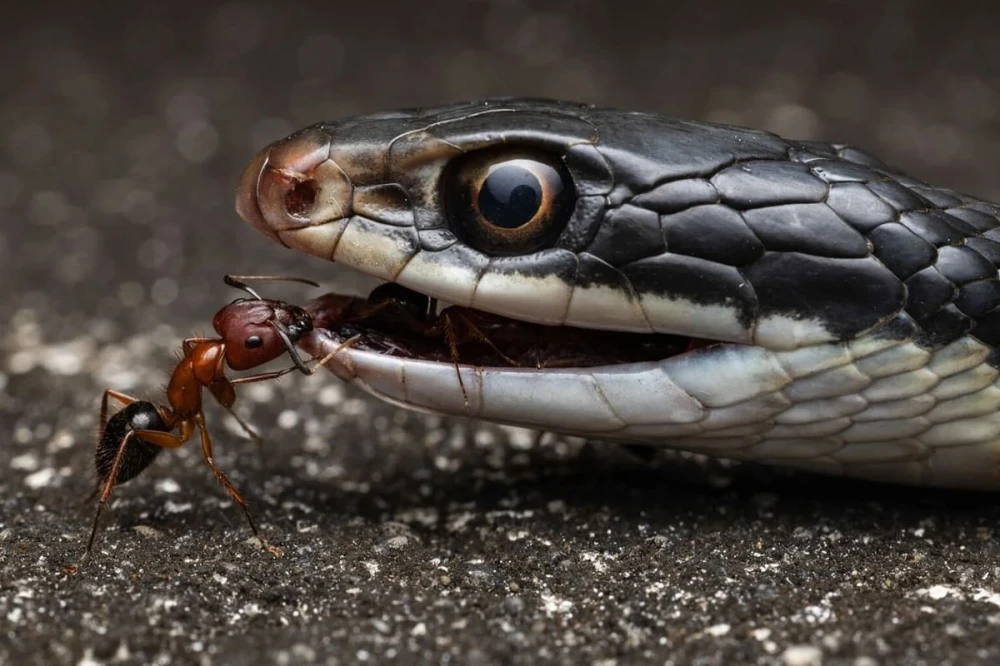
— Вот слушаю вас и вспоминаю притчу о слепых и слоне, — встрял в разговор Речка Бо. — Один ощупывает хобот и говорит: «Как змея», другой — ногу и говорит: «Как колонна», третий — бок и говорит: «Как стена». Все правы, и все ошибаются.

— Ну вообще, если по чесноку, деньги на Гее не везде и не во всём правят, — сказала Удача, откладывая амброзию. — Я там частенько бываю. Когда людям сложно, они бросают монетку и просят, чтобы я за них выбрала путь.

— И я там часто бываю, — отозвалась Госпожа Победа. — Особенно когда соревнования. Крестятся, целуют амулеты, шепчут. Правда, после матча вся слава достаётся тренеру и диете.

— Пальцы скрещивают, — поддержала её Госпожа Удача. — Крестиком. Зачем, если не верят?

— Привычка, — сказала Победа. — Обряд есть, веры нет.

— Вам виднее, — заметил Дюма. — Вы-то слона видите целиком.

— Видим, — подтвердила Победа. — Но вам тоже интересно послушать.

— У меня есть гипотеза, что деньги — не шторм, не цепь, не любовь и не месть. Это вещь, которая переживает хозяина. Как вам такая идея? — спросил Речка Бо.

— Дом тоже переживает хозяина, — сказал Дюма.

— Дом нужно чинить, а деньги — нет. Они просто переходят из рук в руки, не разбираясь, что это за руки. В природе так не бывает. Волчица не оставляет волчонку накопленную добычу. Он получает её способность, а в остальном выходит в мир голым. Поэтому природа так хорошо отбирает: каждый ценится не по деньгам родителей, а по своим поступкам, по реализованным способностям. На Гее наоборот: способность умирает вместе с человеком, а деньги живут и достаются кому попало, у кого только ДНК мамино-папино.

— Дуракам, — подсказал Драйзер.

— Да, верно. Дураку, лишь бы он или она числился(ась) сыном или дочерью. А ведь деньги — это ресурс, которым надо уметь управлять. И получается, что правят не те, кто умеет управлять, а те, кому повезло родиться с «золотой спермой». В итоге отбор естественных способностей размывается из поколения в поколение, общество слабеет и не то что идёт вперёд, а наоборот, зачастую откатывается назад.

— Позвольте, — вскинулся Гюго. — У Вас что, на Массаракше ничего не оставляют своим детям? Это жёстко.

— У нас не оставляют, а вкладывают в ребёнка с учётом того, какой он реально есть. Способности и наклонности ребёнка чётко видны уже к двенадцати годам. Хотя и к шести уже можно многое понять. Один лепит из хлеба, другой всё старается разобрать и посмотреть, что там внутри. Мы развиваем у детей то, что у них есть. А на Гее сына прокурора учат юриспруденции, убивая в нём великого скульптора.

— И как вы дальше живёте? — спросил Драйзер.

— Хасты. У нас место человека определяется не его родителями, а его качествами и делами. Мыслители и их сподвижники идут в хасту Брахмана. Те, кто всё мерит разрушающей силой, поклоняются Шиве. Весёлые торговцы и актёры поклоняются танцующему Кришне и управляются им. Ну а целеустремлённых, для кого заведённый порядок — высшая добродетель, с распростёртыми объятиями ждут поклонники Рамы. Каждый распоряжается тем, чем он лучше всего может распоряжаться, и никому не приходится изображать, что он копия своих родителей не только по телу, но и по духу.

— И кто решает, у кого что лучше получается? — спросил Робеспьер. — Я видел, как люди назначают себе разные добродетели. На Гее это часто кончается кровью.

— Боги, — удивлённо ответил Речка Бо. — Боги решают, а мы, взрослые, лишь смотрим и замечаем их решения.

Все вновь прибывшие повернулись к Победе и Удаче.

— Не смотрите на меня, — сказала Удача. — Я родословных не веду. Они для меня вообще ничего не значат.

— Мне вообще всё равно, чей ты сын или дочь, — сказала Победа. — Главное, чтобы ты играла на своём поле в свою игру.

Гюго вздохнул и сказал:

— Вкладывать — это всё-таки тоже любовь.

— Это единственная любовь, которая что-то требует от того, кто любит, — добавил Зелёный Дракон.

Тут пришёл вызов Речке Бо.

— Прошу меня извинить, дорогие гости, родня — кузен, — сказал он и вышел в другую комнату.

Милон звонил редко, где-то раз в полгода. Голограмма возникла над столом: Милон сидел в халате у камина. Рядом с ним с подносом суетился дворецкий.

— Ну надо же! Сам Милон Х. почтил вниманием мою скромную персону!

— Не прибедняйся. Судя по шуму, у тебя очередной маленький бардельеро. Звоню сказать тебе спасибо за идею бустера в гамаке. Я потом три месяца доказывал инженерам, что это хорошая идея. Потом сдался и признался, что она твоя.

— И что они?

— Сказали: надо было сразу сказать, что это Великий Брахман посоветовал.

— Мудрые люди. У нас тут торжество по поводу новой реальности.

— Это что?

— Похожий на наш ARG-мир. Похожий на не наш. Я там вычислил своего клона и смог подключиться к его когнитивно-ментальной системе. Одна генетика, два мира и разные паспортные столы.

— Он знает о тебе?

— Нет. Связь пока в один конец: я его слышу и вижу, он меня — нет. Про мои сигналы он думает, что это просто сны.

— Ты шлёшь ему сны, а он их смотрит?

— Семь-восемь. Примерно так.

Тут Речку Бо осенило.

— Слушай, если я нашёл своего двойника, может, попробовать и твоего найти? Тут главное было установить первый контакт. Дальше всё как по смазке.

Милон потёр подбородок.

— У меня? Двойник в иной реальности? И что мне с ним делать, пожимать руку через сны?

— Ну зачем ты сразу так? Это иной мир. Там не Боги правят, а Деньги. Разве тебе не любопытно было бы взглянуть?

Тут в комнату неожиданно вошла Госпожа Победа. Увидев Милона, она резко поставила чашу с сомой на стол, так что та аж плеснула на скатерть.

— Милон, Вы обязательно должны попробовать. Обязательно! То есть… — она запнулась. — Попытка — дело хорошее.

— Госпожа Победа, — осторожно спросил Милон, — у меня есть время подумать?

— Конечно, конечно, мой дорогой мальчик. Это же ваше, не моё решение.

— Хорошо, я подумаю. Спасибо, брат. Моё почтение, Госпожа Победа.

Голограмма погасла, и праздник покатился дальше.


 #1 Пришел финал войны <<<  ПОЧИТАТЕЛЯМ >>>

§2 The Richest Man in the World: A Morning After Triumph

That morning, for the first time in two weeks, he woke up in his own bed. The previous two weeks had been insane: he had been sleeping right at work, in his trailer. But now it was all over — the ship's cable net had successfully caught the space booster. And there, on his bedside table, lay a stack of photographs documenting his triumph.

There was the net itself, something he must have seen a hundred times by now. It looked so simple. And yet it had taken three months of arguments, piles of calculations, and several nervous breakdowns before he finally decided to abandon the idea of building a receiving tower in favor of an offshore platform. Then there was a photo of that particular weld, the one that could have sent the whole thing to hell. He stared at it for a long time. He had found that weld himself, with his own eyes. If you want something done right, kill the perfectionist and do it yourself.

He no longer knew how to sleep for long stretches. He knew how to jump out of bed quickly, splash cold water on his face, and drink a mug of coffee while scanning the news to see what had happened in the world during the six hours he'd been asleep. His butler, Napoleon, had exactly six minutes to brief him on anything important that had happened across his business empire — in its factories, newspapers, and steamships. After that, he would say his standard line, "Good. Check the weld one more time," and head for the swimming pool. The staff knew this was the highest praise they could get from the boss. It meant his liver and spleen were in good shape, nothing was hurting today, and nobody was likely to get fired.

His thoughts returned to Friday's news, which had been like a stone in his shoe. His old partner, Don Juan, a man he'd spent countless vacations and nights out with, had been arrested. They had been building their companies side by side for twenty years. They understood each other without needing lawyers or financial advisers. And then, as always, thunder had struck without a single phone call or warning: according to some old woman, Don Juan's girlfriend was a spy for the Naruto Empire.

He simply couldn't understand what the crime was supposed to be. Why did it matter so much to other people who shared Don Juan's bed — a spy or an intelligence operative, a bicycle or a baby elephant? What did an individual's sexual preferences have to do with national security, with the safety of billions of different beings and shit-beings, for whom Don Juan and Don Juan were all one and the same?

He didn't know how to take offense at these people, because he didn't want to. But sometimes their abacus-like logic drove him absolutely mad. And there were twenty-six percent of them. The kind who were delighted to peek into someone else's bedroom or cooking pot. Who happily let their eyes wander around someone else's house without even bothering to knock. And these twenty-six percent got to decide what would happen next to his country, and which post his friend's leather jacket would be nailed to. For them, the only question was whether it would be a lamppost or a telegraph pole.

At that moment, two desires were fighting inside him: to keep lying in bed, or to get up and see what had happened in the markets over the weekend. Or perhaps he could break his own rule and have Napoleon bring his laptop and smartphone straight into the bedroom? No. That wouldn't work. He himself had forbidden Napoleon to do that, under threat of dismissal. Fine. The markets could survive without him for a while.

By the time weekly trading opened, analysts would already have explained that shares in Cosmo Ship were bound to rise after the successful booster capture. On the next page, other analysts would just as confidently declare that Don Juan's arrest was an unmistakable warning sign for his companies' stocks. So there was no point in indulging in false hopes: sell, and sell quickly. He used to find this game of prophecy amusing. Now he thought the stock price would jump during the first few minutes, then start falling. Shareholders had more faith in people than in the success of technology — or, rather, more doubts about people.

And so his fortune as the richest man on the planet would shrink by a few electronic digits. But how would those digits affect his life, or the lives of those close to him? Not at all. Money had long since ceased to mean anything more to him than a resource counter in the game Civilization. Two or three trillion more or less were just data, not life. He looked at those figures the way you might look at a thermometer outside a submarine: interesting, but nothing personal.

He turned onto his other side and began to drift back into sleep. Without his usual dose of caffeine, his body wanted more rest. And the reality beyond the walls of his palace remained unchanged, much to his occasional irritation. Somewhere at the very bottom of his consciousness lay a thought: he ought to get in touch with his cousin, a man who lived very far away and in a very strange way. Today, he didn't have to wake up in a hurry or rush anywhere. And, unexpectedly, he liked that feeling.

As always, the feed was drowning in millions of messages. He wouldn't read them today. Or tomorrow. Or ever

This is a draft. The final version is here.

§3 Inheriting Wealth Undermines Natural Selection and Weakens Society

§3 Inheriting Wealth Undermines Natural Selection and Weakens Society

§1 The General Picture: A Dream About the End of a War
§2 The Richest Man in the World: A Morning After Triumph

Massaraksh. Rechka Bo's Residence.

The guest residence known as “4M,” belonging to the Great Brahman Rechka Bo, was buzzing so loudly that even the Green Dragon, accustomed to noise and scandals, stopped blowing smoke rings at the ceiling and stepped out onto the balcony with a glass of amrita in hand. There was every reason to celebrate: after years of sorcery and a dozen sacred crystals burned to ashes, Rechka had finally managed to establish tachyon communication with a parallel-perpendicular ARG reality.

Communication was still rather patchy and mostly one-way: he could see and hear everything his counterpart saw and heard in that other reality, while the other man, in return, received only some vague dreams. But it was a start. Besides, the Brahman had managed to bring back a few souls from that planet. They were here now, too, telling him and the guests all sorts of stories—some true, some not so true.

What made the occasion especially significant was that Lady Victory and Lady Luck themselves had arrived to hear tales from the planet called Gaia, this wonderful new world. They were hardly regular visitors to 4M. For the chief priest of Massaraksh, the visit of two such Ladies was an immense honor—one that would have sent anyone else prostrating themselves before them.

“Rechka Bo, please don't worry. We'll just sit and listen. It's always interesting to hear a different point of view on what's happening in our Universe.” And that was true: in this Universe, Luck and Victory were respected by all entities and beings, regardless of their space-time continuum. From the Voids to the fragrant Quarks, even the Shkvarks. Victory was drinking soma, while Luck was enjoying ambrosia.

“The meeting is now open,” Robespierre announced, tapping his fork against his glass of soma. “We don't need any impostors, so I'll be the master of ceremonies. There's just one item on the agenda: how is our dear old Gaia different from the local—God forgive me—Massaraksh?”

“Back home, people wake up worrying about which little piece of paper with a number on it they'll be holding today. The number goes up—they're happy. It goes down—they jump out of a window,” Dreiser began. “The main force governing people's lives on Gaia is money. It's a force that tears apart even the strongest, turning them into the weak.”

“It's not a force of nature,” Jack London objected. “I've seen basements. People work there twelve hours a day for the right not to die. Money is a chain. For some, it's around their necks; for others, it binds their hands.”

“I believe,” Robespierre said, “that money has replaced virtue for people. Once, a person wanted to be honest. Now they want to be solvent.”

“I remember a little girl whose father worked nights for ten years so he could put that very money into her account. So, if you ask me, money is neither a chain nor a force of nature. It's love wrapped up in numbers,” Hugo said quietly.

“That's nothing!” exclaimed a spirit named Dumas. “I knew a man who spent twenty years in prison so that, once he got out, he could settle the score with everyone who had betrayed him. And he did it, thanks to money. Money is revenge that knows how to wait.”

“Money is the sinews of war,” Napoleon declared, casually crossing one leg over the other. “I was the one who wrote the code stipulating that an inheritance be divided equally among the children. Everyone gets an equal share—that is justice in its purest form.”

“Sire,” Dumas remarked, “did you also distribute titles among your marshals equally?”

“Marshals were rewarded according to merit.”

“Hereditary merit,” Robespierre added.

Napoleon pretended not to have heard and reached for the pheasant.

“We don't do it that way,” the Dragon cut in. “It's simpler with us. When a dragon dies, the gold goes to whoever takes his place and becomes the Dragon.”

“Listening to you, I am reminded of the parable of the blind men and the elephant,” Rechka Bo joined in. “One feels the trunk and says, ‘It's like a snake.’ Another feels a leg and says, ‘It's like a pillar.’ A third feels its side and says, ‘It's like a wall.’ They're all right, and they're all wrong.”

“Well, to be perfectly honest, money doesn't rule everywhere or in every aspect of life on Gaia,” Luck said, setting aside her ambrosia. “I go there quite often. When people are in a difficult spot, they toss a coin and ask me to choose the way for them.”

“I visit quite often, too,” Lady Victory replied. “Especially at sporting events. They cross themselves, kiss their amulets, whisper their prayers. And yet, after the match, all the credit goes to the coach and the diet.”

“They cross their fingers,” Lady Luck added. “Into a little cross. Why do that if they don't believe?”

“Habit,” Victory said. “The ritual is there, but the faith is not.”

“You would know better than anyone,” Dumas remarked. “You can see the whole elephant.”

“We can,” Victory confirmed. “But it's interesting for us to listen to you, too.”

“I have a hypothesis: money is neither a storm, nor a chain, nor love, nor revenge. It's something that outlives its owner. What do you think of that idea?” Rechka Bo asked.

“A house outlives its owner, too,” Dumas said.

“A house needs repairs; money doesn't. It simply passes from hand to hand, without caring whose hands they are. That doesn't happen in nature. A she-wolf doesn't leave her cub the prey she has accumulated. The cub inherits her ability, but otherwise enters the world empty-handed. That's why natural selection works so well: each individual is valued not for their parents' money, but for their own actions and the abilities they put to use. On Gaia, it's the other way around: a person's abilities die with them, while their money lives on and goes to just about anyone—someone who has inherited nothing but their parents' DNA.”

“To fools,” Dreiser supplied.

“Yes, exactly. To a fool, as long as he or she is listed as the son or daughter. And yet money is a resource that requires the ability to manage it. So those who rule are not the ones who know how to manage it, but those lucky enough to be born with ‘golden sperm.’ As a result, the natural selection of abilities is diluted from one generation to the next. Society grows weaker and, instead of moving forward, often falls behind.”

“Allow me,” Hugo exclaimed. “Do you mean that on Massaraksh people leave nothing to their children? That's harsh.”

“We don't leave things to our children; we invest in them, taking into account who they really are. A child's abilities and inclinations are already clearly visible by the age of twelve. Though you can understand quite a lot by the age of six. One child makes things out of bread; another keeps taking things apart to see what's inside. We develop what children already have. On Gaia, meanwhile, a prosecutor's son is taught law, and the great sculptor in him is killed.”

“And how do you live after that?” Dreiser asked.

“Khastas. A person's place among us is determined not by their parents, but by their own qualities and deeds. Thinkers and their followers join the Brahman's khasta. Those who measure everything in terms of destructive force worship Shiva. Cheerful merchants and actors worship the dancing Krishna and are governed by him. And those who are goal-oriented, for whom established order is the highest virtue, are welcomed with open arms by the followers of Rama. Everyone manages what they are best equipped to manage, and no one has to pretend to be a copy of their parents, not only in body but in spirit.”

“And who decides what each person is best at?” Robespierre asked. “I've seen people assign themselves all sorts of virtues. On Gaia, that often ends in bloodshed.”

“The Gods,” Rechka Bo replied in surprise. “The Gods decide. We adults merely watch and recognize their decisions.”

All the newcomers turned toward Victory and Luck.

“Don't look at me,” Luck said. “I don't keep genealogies. They mean absolutely nothing to me.”

“I couldn't care less whose son or daughter you are,” Victory said. “What's important is that you play on your own field, playing your own game.”

Hugo sighed and said:

“Investing in someone is also a form of love, after all.”

“It's the only kind of love that asks something of the person who loves,” the Green Dragon added.

Just then, a call came in for Rechka Bo.

“Please excuse me, dear guests. Family business—my cousin,” he said, and went into another room.

Milon rarely called, perhaps once every six months. A hologram appeared above the table: Milon was sitting by the fireplace in his dressing gown. A butler was bustling beside him with a tray.

“Well, well! Milon X. himself has deigned to pay attention to my humble person!”

“Don't sell yourself short. Judging by the noise, you've got another little bacchanalia going on. I'm calling to thank you for the idea of catching the booster in a hammock. I spent three months trying to convince the engineers it was a good idea. In the end, I gave up and admitted it was yours.”

“And what did they say?”

“They said I should have told them from the start that the Great Brahman had suggested it.”

“Wise people. We're celebrating a new reality here.”

“What's that?”

“An ARG world that's like ours. And not like ours. I've identified my counterpart there and managed to connect to his cognitive-mental system. Same genetics, two worlds, different passport offices.”

“Does he know about you?”

“No. The connection is still one-way: I can hear and see him, but he can't hear or see me. He thinks my signals are just dreams.”

“So you send him dreams, and he watches them?”

“Seven or eight. Something like that.”

At that moment, an idea suddenly struck Rechka Bo.

“Listen, if I've found my double, why don't I try to find yours, too? The main thing was to establish the first contact. After that, it'll all go like clockwork.”

Milon rubbed his chin.

“Mine? A double in another reality? And what am I supposed to do with him—shake his hand through dreams?”

“Why do you have to look at it that way? It's another world. The Gods don't rule there—Money does. Wouldn't you be curious to take a look?”

Just then, Lady Victory unexpectedly entered the room. When she saw Milon, she set her bowl of soma down on the table so abruptly that some of it splashed onto the tablecloth.

“Milon, you absolutely must try it. You must! I mean…” She faltered. “It's good to give it a try.”

“Lady Victory,” Milon asked cautiously, “do I have time to think about it?”

“Of course, of course, my dear boy. It's your decision, not mine.”

“All right, I'll think about it. Thank you, brother. My respects, Lady Victory.”

The hologram faded, and the party rolled on.


This is a draft. The final version is here.

Цифровое творчество Личный блог: 8 930 Р. Полезный и необходимый подарок себе любимому / любимой.
Или родным и близким.
Подробнее

Earthquakes can be predicted.

Earthquakes must be predicted.

Small donationTHANK YOU